
General Information
Quick Tips for Sensory Regulation During the Holidays
Helping Your Child Stay Calm, Grounded, and Joyful During the “Silly Season”

The holiday season is magical — bright lights, festive music, family gatherings, and long summer days (or snowy ones, depending on where you live!). But for many children, especially those with ADHD, sensory processing differences, autism, or anxiety, this time of year can feel overwhelming, and your need for quick tips for sensory regulation during the holidays becomes paramount.
The “silly season” is busy, unpredictable, and often filled with noise, crowds, and schedule changes.
If your child becomes overstimulated, more emotional, or struggles to regulate during this time, you are not alone — and you’re not doing anything wrong.
A few simple, intentional strategies can make the holidays calmer, more joyful, and far easier for your child to navigate. These small tools support the sensory system, help your child stay regulated, and protect the magic of the holiday season.
Here are some easy ways to support sensory regulation during the holidays:
- Create a Calm “Safe Space” at Home
Children need a space where the world feels predictable and quiet.
A safe space doesn’t have to be big — even a corner or a small nook works beautifully.
Include items like:
- A soft cushion or blanket
- Noise-cancelling headphones
- A favourite book or stuffed toy
- A dim lamp or fairy lights
- A small fidget or sensory object
Think of this space as a “reset zone” where your child can regulate before big emotions take over.
- Keep a Short, Predictable Morning Routine
Holiday schedules often flip upside down, and the lack of predictability can be tough for sensory-sensitive children.
Instead of rigid planning, aim for a simple rhythm, such as:
- Wake up
- Breakfast
- Gentle movement
- One calm activity (drawing, reading, Lego)
A predictable start sets the tone for the rest of the day and helps regulate the nervous system early.
- Pack a “Sensory Support Bag”
Whether you’re going to the beach, visiting grandparents, or tackling a shopping trip, a small sensory toolkit can be a lifesaver for sensory regulation.
Pack items like:
- Chewy or oral-motor tool
- Fidget or squishy
- Headphones for noisy environments
- Snacks (steady blood sugar = steady emotions)
- A small weighted item (like a mini lap pad or bean bag)
- Sunglasses for bright, busy environments
This gives your child tools to self-regulate anywhere — quietly and independently.
- Add a Daily Movement Break
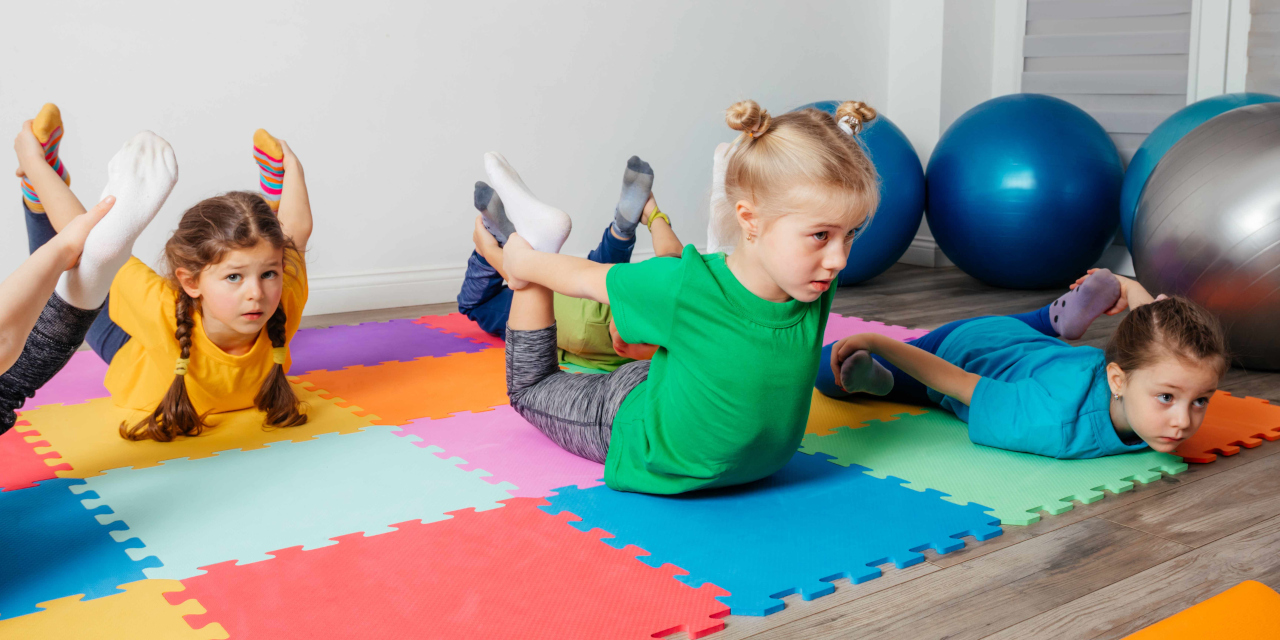
Movement is one of the most potent regulators of the sensory system.
During the holidays, routines change, and kids often move less (more screens, more travel, more sitting). So think simple:
- A quick swim
- A slow walk on the beach
- Jumping on the trampoline
- Playing “copy my moves”
- A short set of CoordiKids exercises
- Stretches or animal walks
Just 10 minutes a day can dramatically improve focus, mood, and emotional control.
- Practice Slow Breathing Before Outings
A calm nervous system travels better.
A dysregulated nervous system becomes overwhelmed more quickly.
Before leaving home, try:
- 5 slow breaths together
- Breathing in while raising hands up, breathing out while lowering them
- Smelling the “flower” (inhale), blowing the “candle” (exhale)
- Box breathing (inhale–hold–exhale–hold)
These techniques signal safety to the brain and help prevent overload before it starts.
Why These Tips Work
Children who struggle with sensory processing, ADHD, dyspraxia, or emotional regulation have nervous systems that get overwhelmed more easily — especially during busy, noisy times like the holidays.
These strategies work because they:
✔ Reduce sensory input
✔ Provide predictable structure
✔ Supply tools to cope in the moment
✔ Support brain-body regulation
✔ Build confidence and independence
Small changes really do create calmer holidays.
You’re Doing Better Than You Think

It’s easy to feel pressure to create the “perfect holiday,” but your child doesn’t need perfection.
They need connection, safety, and presence — and you’re already giving them that.
Supporting sensory regulation doesn’t have to be complicated.
And with these simple tools, you can create a holiday season that feels calmer, more joyful, and more attuned to your child’s needs.
