
General Information
10 Signs of Overstimulation in Children (And What to Watch For)
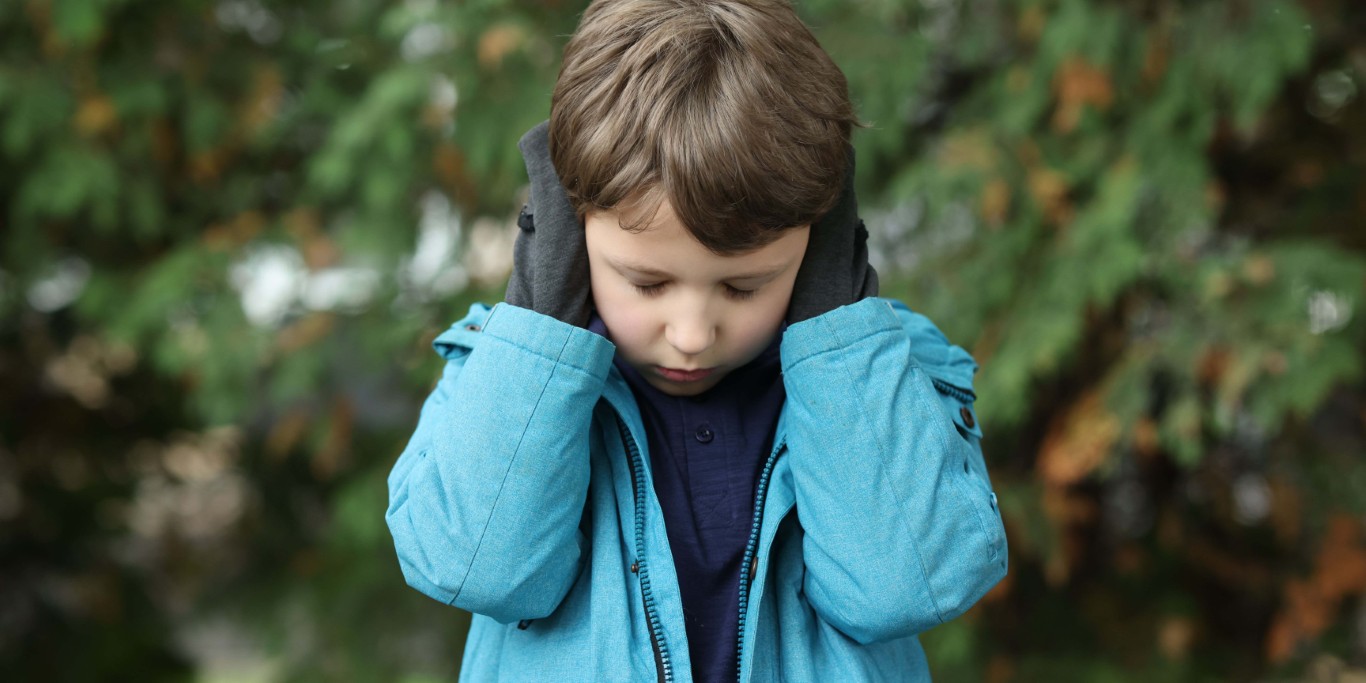
Children don’t always say “I’m overwhelmed”—but their behaviour shows it clearly.
If your child has sudden meltdowns, becomes irritable, or shuts down, they may be overstimulated.
Many parents reading this are looking for simple ways to help their child feel calmer and more in control.
If that’s you, the CoordiKids Home Course is designed to give you practical tools you can start using straight away.
If you’re unsure what overstimulation means, read our guide on Overstimulated Meaning.
- Sudden Meltdowns
Emotional outbursts that seem to come out of nowhere. - Irritability or Aggression
Your child may become unusually reactive or frustrated. - Covering Ears or Eyes
A clear sign that sensory input is too much. - Hyperactivity
Restlessness and excess energy can be a response to overload. - Sudden Exhaustion
Many children crash after overstimulation. - Trouble Focusing
Difficulty listening or following instructions. - Wanting to Escape
Running away, hiding, or clinging to a parent. - Crying Easily
Emotional regulation becomes harder. - Overreacting to Small Things
Minor frustrations lead to big reactions. - Shutting Down
Some children withdraw completely.
If you’re constantly dealing with meltdowns, frustration, or your child feeling overwhelmed, it can be exhausting—for both of you.
But small, consistent changes at home can make a big difference.
You don’t need more guesswork—you need a clear plan.
Get step-by-step support with CoordiKids
If you’re noticing these signs often, it may not just be a phase.
Many parents are surprised how much structured, simple activities at home can improve their child’s focus, coordination, and emotional regulation.
See how the CoordiKids Home Course works
What to Do Next
Recognising these signs early can prevent escalation.
Next: Learn How to Calm an Overstimulated Child
Support for Parents
If your child frequently shows these signs, structured home-based support can help improve regulation, coordination, and confidence.
Ready to Help Your Child Feel Calmer, More Confident and in Control?
If your child struggles with overstimulation, coordination, or emotional regulation, you’re not alone—and you don’t have to figure it out on your own.
The CoordiKids Home Course gives you simple, step-by-step activities you can do at home to help your child:
✔ Improve coordination
✔ Build confidence
✔ Feel calmer and more regulated
Start supporting your child today with practical tools that actually work.
Explore the CoordiKids Home Course
Your child won’t “grow out of” these challenges without the right support—but the good news is, you can start helping them today.
Every week you wait is another week they struggle unnecessarily.
Take the first step now.
Start the CoordiKids Home Course
Frequently Asked Questions
What are signs of overstimulation in children?
Common signs include meltdowns, irritability, covering ears, hyperactivity, and withdrawal.